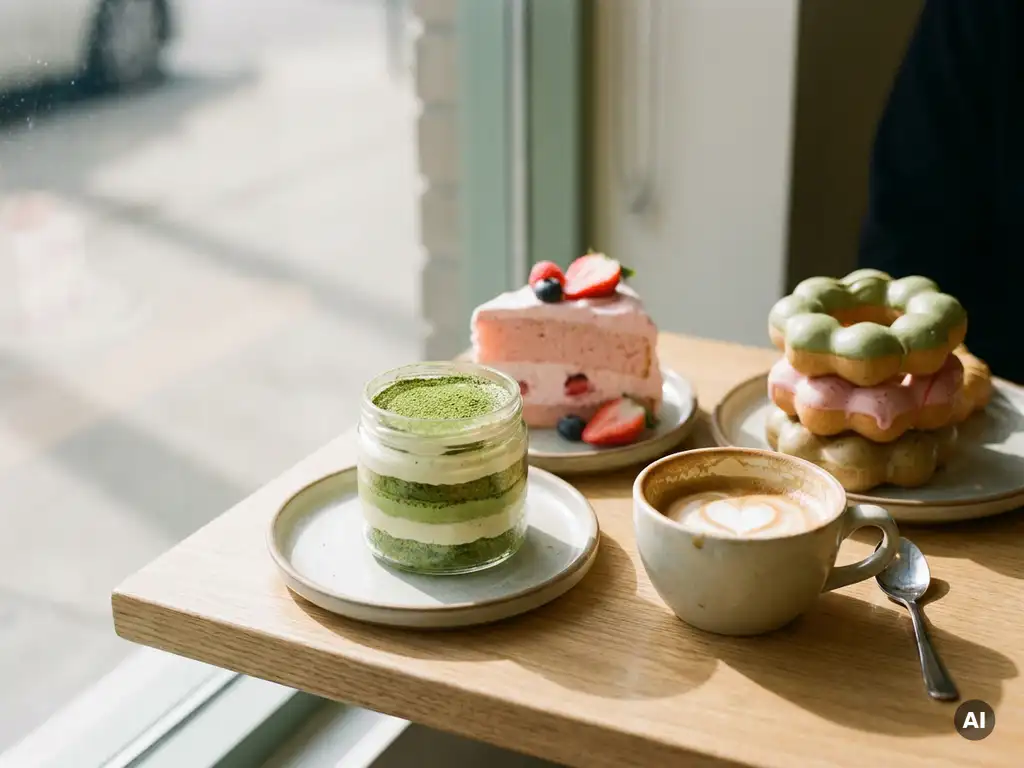
In 2026, younger café-goers, particularly Gen Z and millennials, are gravitating toward desserts that balance bold, globally inspired flavors with visual appeal and ingredient transparency. The dominant preferences include matcha-based sweets, miso-caramel creations, fruit-forward pastries, and nostalgic items reimagined with premium ingredients. Dietary flexibility and social media shareability are the two forces shaping nearly every menu decision at forward-thinking coffee shops this year.
This shift reflects a broader change in how younger consumers relate to food: they want their café dessert to feel intentional, not generic. The questions below unpack exactly what that looks like across flavor, format, diet, pairing, and value.
What flavor profiles are younger café-goers gravitating toward in 2026?
In 2026, younger café-goers are drawn to desserts built around umami-adjacent sweetness, floral bitterness, and fermented or cultured notes. Matcha, black sesame, yuzu, cardamom, and miso are among the most sought-after flavor profiles, ingredients that feel sophisticated without being inaccessible. The common thread is complexity: a dessert that surprises the palate at multiple stages of eating.
This preference for layered flavor mirrors what specialty coffee drinkers already look for in the cup. Just as a light-roast single-origin coffee offers floral and fruit notes rather than a flat bitterness, the desserts younger customers choose tend to reward attention. Brown butter, tahini, and salted honey have also gained traction as bridge flavors, familiar enough to feel approachable, distinctive enough to feel worth ordering.
Nostalgia plays a role too, but with a twist. Classic formats like cookies, brownies, and cheesecake remain popular, but younger buyers expect them elevated: think miso-brown butter chocolate chip cookies or cardamom-spiced cheesecake with a Biscoff crust. The flavor has to earn its place on the plate.
Which specific desserts are most popular in cafés right now?
The most popular café desserts among younger customers in 2026 include matcha croissants, burnt Basque cheesecake, mochi donuts, tiramisu in single-serve formats, and tahini-swirled brownies. These items consistently perform well because they combine visual distinctiveness with genuine flavor depth, two qualities that drive both in-person orders and repeat visits.
A few formats have become particularly dominant in the specialty coffee shop space:
- Laminated pastries with unexpected fillings: croissants and kouign-amann filled with matcha cream, black sesame paste, or miso custard
- Burnt Basque cheesecake: its rustic, caramelized exterior photographs well and its creamy interior pairs naturally with espresso
- Mochi-based items: mochi donuts and mochi waffles offer a chewy texture that feels novel to customers raised on traditional baked goods
- Mini or single-serve formats: smaller portions allow customers to try multiple items and reduce the perceived risk of an unfamiliar flavor
What unites these trending café desserts is that they feel like a considered choice rather than an afterthought. Younger buyers are not reaching for a generic muffin from a plastic case; they want something that signals the café takes its food as seriously as its coffee.
How does social media influence what younger customers order?
Social media directly shapes dessert orders among Gen Z and millennial café-goers by creating a discovery loop: a visually striking item gets shared, generates curiosity, drives foot traffic, and then the in-person experience either confirms or disappoints the expectation. In 2026, a dessert that photographs poorly is at a structural disadvantage, regardless of how good it tastes.
TikTok and Instagram remain the primary platforms driving café dessert trends, but the mechanism has matured. Early social food trends rewarded pure visual spectacle: rainbow bagels, over-the-top milkshakes. Today’s younger consumers are more discerning. A dessert still needs to be photogenic, but it also needs to be defensible: good ingredients, a coherent flavor story, and a sense that the café actually cares about what it’s serving.
For café operators, this means presentation and plating are not optional extras; they are part of the product. Cross-sections, pour shots, and texture close-ups perform particularly well as content. Cafés that actively encourage customers to share by designing photogenic plating or staging their display cases as visual environments consistently see stronger organic reach and new customer acquisition as a result.
What dietary preferences are shaping café dessert menus in 2026?
In 2026, the dietary preferences most actively shaping café dessert menus are plant-based eating, gluten-awareness, and refined-sugar reduction, not as rigid restrictions, but as flexible preferences that younger customers expect cafés to accommodate without making them feel like an afterthought. The shift is toward inclusive menus where the best-tasting option also happens to meet a dietary need.
Plant-based desserts have moved well beyond dry, crumbly substitutes. Cashew-based cheesecakes, oat-milk custards, and coconut cream tarts now compete directly with their dairy counterparts on flavor. Gluten-free options built around almond flour, rice flour, or naturally flourless preparations, like flourless chocolate torte, are increasingly standard rather than special-request items.
Younger customers are also paying closer attention to ingredient sourcing. Organic, fair-trade, and locally sourced components carry real weight in purchasing decisions for this demographic, particularly when the café makes those choices visible on the menu or through signage. Transparency about what goes into a dessert is itself a selling point; it signals quality and aligns with the values-driven consumption patterns that define this generation.
How should a café pair desserts with specialty coffee drinks?
A café should pair desserts with specialty coffee drinks by matching intensity, complementing or contrasting flavor notes, and considering the texture of both the food and the beverage together. The same principles that guide wine and food pairing apply here: a delicate, floral light-roast coffee is overwhelmed by a dense chocolate brownie, while a rich espresso-based drink stands up to bold, caramelized flavors.
Some reliable pairing principles for coffee shop dessert menus include:
- Light roast pour-overs with fruit-forward pastries: the bright acidity in a washed Ethiopian or Colombian bean echoes citrus glazes, berry compotes, and yuzu-based desserts
- Espresso or dark roast drinks with caramel and chocolate items: the bitterness of a well-pulled espresso cuts through the sweetness of caramel tarts or fudge brownies
- Milk-based drinks with nutty or spiced desserts: a latte or oat milk cortado softens the intensity of tahini, cardamom, or black sesame flavors
- Cold brew with creamy, rich desserts: the lower acidity and smooth body of cold brew pair well with cheesecake or custard-based items
Cafés that train staff to suggest pairings confidently, rather than leaving customers to guess, create a more memorable experience and often increase the average transaction value. Pairing recommendations also signal expertise, which reinforces the perception of quality that specialty coffee customers are actively seeking.
What makes a café dessert worth the premium price for younger buyers?
For younger café-goers in 2026, a dessert justifies a premium price when it delivers on three things simultaneously: visible ingredient quality, a flavor experience that could not be replicated at home easily, and a sense that the item was made with genuine craft. Price tolerance among this demographic is higher than it has ever been, but so is skepticism about whether a premium is earned.
Younger buyers are willing to pay more when the café communicates the story behind the dessert. Knowing that a brownie uses single-origin chocolate, or that a tart is made with locally sourced seasonal fruit, transforms the purchase from a snack into a considered choice. That narrative does not need to be elaborate: a few words on the menu card or a brief description from a knowledgeable staff member is often enough.
Portion size matters less than perceived value. A smaller, beautifully plated dessert made with quality ingredients consistently outperforms a large, generic item in customer satisfaction among this age group. What younger café-goers are buying is not just calories; they are buying a moment, a flavor memory, and something worth talking about. Cafés that understand this, and build their dessert menus accordingly, are the ones earning both the premium and the loyalty.