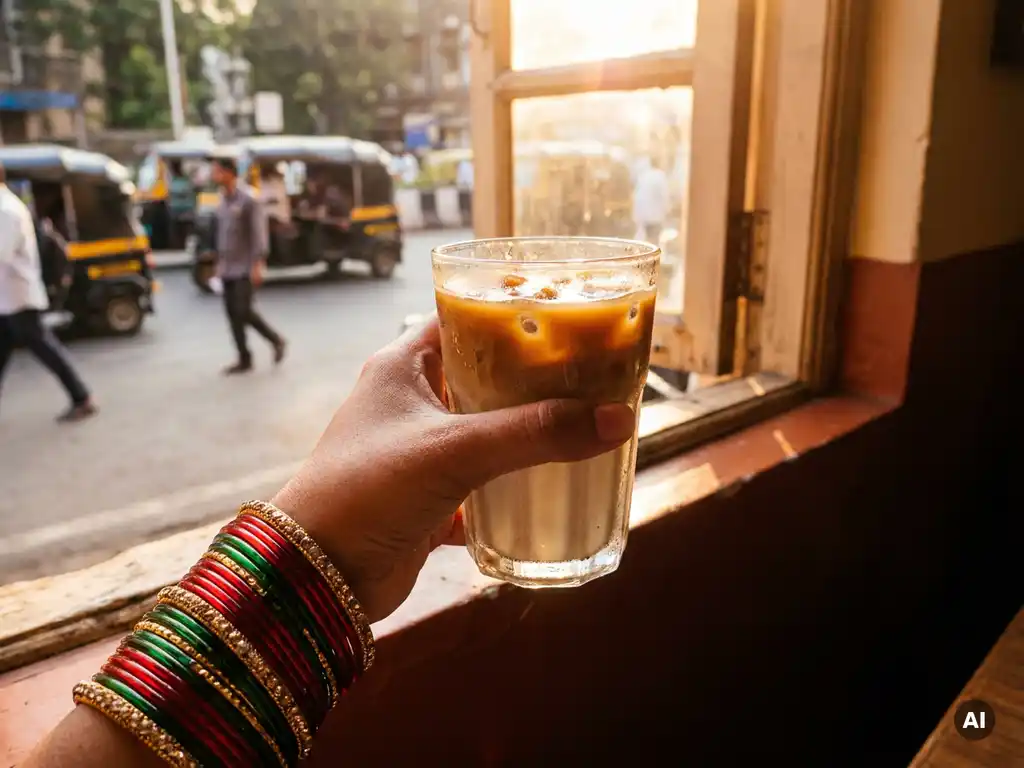
Cold coffee is popular among young people in India because it perfectly matches their lifestyle, climate, and cultural shift toward café culture. Chilled coffee drinks offer refreshment in a hot country while delivering the caffeine kick that a busy, ambitious generation needs. Rising disposable incomes, global food trends, and the influence of social media have all accelerated this shift from traditional hot beverages to cold coffee in India.
From cold brew and iced lattes to dalgona and frappé-style blends, the cold coffee category has exploded across Indian cities and towns. The sections below break down exactly why this trend has taken hold and what is driving it forward in 2026.
What made cold coffee a mainstream drink in India?
Cold coffee became mainstream in India through a combination of expanding café chains, growing urban café culture, and a younger generation eager to adopt global food and beverage trends. What was once a niche item on a few restaurant menus is now a staple offering at every coffee shop, quick-service outlet, and even roadside stall across Indian cities.
The rise of organized café chains in India through the 2000s and 2010s introduced millions of young consumers to espresso-based drinks for the first time. Cold coffee was an easy entry point: familiar enough because of its sweetness and milkiness, yet exciting because it felt modern and cosmopolitan. As more Indians traveled abroad or consumed international content online, they encountered a wider world of iced coffee drinks and brought those expectations home.
At the same time, food delivery platforms and cloud kitchens made cold coffee accessible beyond café walls. A well-made cold brew or iced latte could be ordered to a college dorm or office desk within minutes, removing the last barrier between young Indians and specialty chilled coffee. Mainstream availability, combined with cultural aspiration, locked cold coffee into an everyday habit.
How does India’s climate influence cold coffee consumption?
India’s hot and humid climate is one of the most direct reasons cold coffee consumption is so high among young Indians. With summer temperatures regularly exceeding 40°C in many regions and humidity making the heat feel even more intense, a chilled caffeinated drink is simply more appealing than a steaming hot cup for most of the year.
Unlike countries in Europe or North America where hot coffee is a year-round comfort drink, India has a relatively short window when hot beverages feel truly refreshing. For most of the country, that window is limited to the cooler winter months, roughly November through February. The remaining eight or more months create natural demand for cold alternatives that still deliver caffeine and flavor.
This climate reality also explains why cold coffee in India tends to be sweeter and creamier than its Western counterparts. A cold coffee served with ice cream, flavored syrups, or condensed milk is not just a caffeine fix but a cooling treat, sitting comfortably between a dessert and a beverage. The Indian palate and Indian weather have shaped cold coffee into something distinctly local even as the global trend has grown.
Why do young Indians prefer cold coffee over hot coffee?
Young Indians prefer cold coffee over hot coffee primarily because it fits their lifestyle better: it is refreshing in a hot climate, visually appealing, easy to customize, and associated with the modern café culture they aspire to. Cold coffee also feels less formal and more social than a traditional cup of chai or filter coffee.
Taste preference plays a significant role. Cold coffee, especially when made with milk, sweeteners, and ice cream, tends to have a smoother, less bitter flavor profile than hot black coffee. For consumers who are still building their coffee palate, this approachability makes cold coffee a natural starting point and a consistent favorite.
There is also a strong identity dimension. Choosing a cold coffee drink at a café or ordering a specialty cold brew signals membership in a particular lifestyle, one that is urban, informed, and globally connected. For a generation that is highly aware of how choices reflect personal identity, the type of coffee they drink carries meaning beyond just taste or caffeine.
Practicality matters too. Cold coffee can be sipped slowly over an extended period without losing quality the way a hot cup does. For students studying in a café or young professionals working remotely, a cold coffee lasts the length of a session, making it a better companion for long hours than a drink that goes cold and unpleasant within minutes.
How has social media shaped the cold coffee trend in India?
Social media has been the single most powerful accelerant of the cold coffee trend in India. Platforms like Instagram, YouTube, and more recently Reels and Shorts have turned visually striking cold coffee drinks into viral content, inspiring millions of young Indians to seek them out at cafés or recreate them at home.
The dalgona coffee phenomenon of 2020 is the clearest example of this dynamic. The whipped coffee trend spread globally through social media, and Indian youth embraced it with enormous enthusiasm, flooding feeds with their own versions. It demonstrated that cold coffee content travels fast, inspires participation, and creates genuine demand where little existed before.
Beyond viral moments, social media has educated Indian consumers about cold coffee varieties they might never have encountered otherwise. Cold brew, nitro coffee, iced pour-over, and espresso tonic have all found Indian audiences through YouTube tutorials, café review accounts, and food bloggers. This content does not just inform: it creates desire and positions cold coffee as something worth seeking out and spending money on.
Cafés have responded by designing drinks specifically for shareability. Layered iced lattes, cold coffees topped with elaborate garnishes, and drinks served in photogenic glassware are engineered to be photographed and shared. The social media loop (content drives demand, demand drives product innovation, innovation generates new content) has made cold coffee one of the most dynamic categories in Indian food and beverage culture.
What types of cold coffee are most popular among Indian youth?
The most popular types of cold coffee among Indian youth include classic cold coffee shakes, cold brew, iced lattes, dalgona coffee, and flavored frappé-style blends. Each appeals to a slightly different preference, but all share the qualities that define the Indian cold coffee palate: sweetness, creaminess, and visual appeal.
- Classic cold coffee shake: The original Indian cold coffee, blended with milk, ice cream, and sugar, remains widely loved for its dessert-like richness and familiarity. It is the version most Indians grew up with and still associate with indulgence.
- Cold brew: Gaining rapid ground among specialty coffee enthusiasts and home brewers, cold brew is appreciated for its smooth, low-acidity flavor. It is steeped for many hours and served over ice, often without milk, making it the choice of more coffee-forward consumers.
- Iced latte: A staple at every modern café, the iced latte combines espresso and cold milk over ice. It is versatile, customizable with flavored syrups, and sits comfortably between the indulgent shake and the minimalist cold brew.
- Dalgona coffee: The whipped coffee layer over cold milk became a cultural moment and remains popular as both a café offering and a home recipe.
- Flavored frappé blends: Caramel, hazelnut, mocha, and seasonal flavors blended with ice and coffee appeal strongly to younger consumers who prioritize flavor variety and novelty over coffee purity.
The range shows that there is no single cold coffee drinker in India. The market spans from the casual consumer who wants a sweet chilled treat to the specialty enthusiast exploring single-origin cold brews, and that breadth is part of why the category continues to grow.
Is the cold coffee trend in India here to stay?
Yes, the cold coffee trend in India is firmly established and shows every sign of continued growth rather than a passing phase. The combination of structural factors (climate, demographics, rising incomes, and deepening café culture) means cold coffee is not a trend built on novelty alone but on genuine, durable consumer preference.
India has one of the world’s youngest populations, and the generation currently driving cold coffee consumption will remain the country’s dominant consumer segment for decades. As this cohort earns more, their willingness to spend on quality coffee experiences is likely to increase rather than decline. Specialty coffee culture, which has been maturing steadily in metro cities, is now spreading to tier-two and tier-three cities, expanding the addressable market significantly.
The product category itself is also evolving in ways that sustain long-term interest. Cold brew, nitro coffee, and ready-to-drink cold coffee options are all growing in availability and sophistication. Brands are investing in premiumization, offering consumers more reasons to trade up and explore. For those who want to go deeper into the craft side of cold coffee, resources like brewing guides and curated bean selections make it easier than ever to experiment at home.
In 2026, cold coffee in India is not simply fashionable: it is functional, culturally embedded, and commercially supported by a growing ecosystem of cafés, brands, and content creators. The conditions that made it popular are not going away, which means neither is the drink itself.