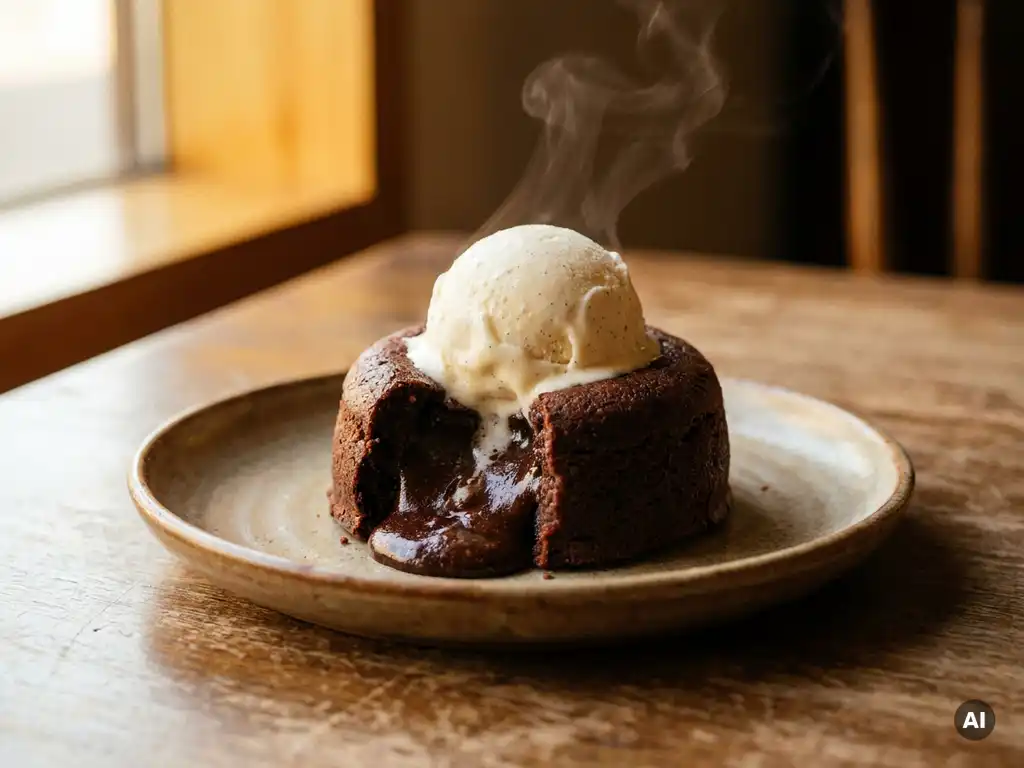
Warm desserts taste better with cold ice cream because the contrast in temperature activates your taste buds more intensely, making flavors register as more vivid and complex. The cold dulls sweetness slightly while the heat amplifies aroma, and together they create a sensory experience that neither element delivers alone. Below, each question unpacks exactly why this combination works so well.
What happens to your taste buds when hot meets cold?
When hot and cold foods meet in your mouth simultaneously, your taste receptors respond more actively than they would to either temperature alone. The rapid shift between heat and cold stimulates nerve endings across your palate, intensifying how you perceive sweetness, richness, and depth of flavor. This temperature contrast in food essentially puts your senses on high alert.
Taste receptors are temperature-sensitive proteins, and they respond differently depending on whether a food is warm, cold, or somewhere in between. Warmth tends to amplify volatile aromatic compounds, which means you smell and taste more of what a dessert has to offer. Cold, on the other hand, slows certain receptor responses, which can actually make sweetness feel more balanced rather than overwhelming. When both temperatures are present at once, you get the aromatic lift of heat and the palate-refreshing effect of cold in the same bite.
The result is a kind of sensory layering. Your brain processes the contrast as complexity, which is why a warm brownie with a scoop of vanilla ice cream feels more satisfying than either component on its own. The hot and cold dessert combination is not just a textural novelty; it is a genuine flavor amplifier rooted in how your nervous system processes competing sensory signals.
Why does melting ice cream make warm desserts taste richer?
As ice cream melts against a warm dessert, it transforms into a rich, slightly liquid cream that coats the dessert’s surface and seeps into its texture. This creates a sauce-like effect that carries fat and sugar into every bite, making the overall flavor experience feel more indulgent and cohesive. The reason ice cream melts on hot desserts so quickly is precisely what makes the pairing so effective.
Melting ice cream does more than add moisture. The fat content in ice cream acts as a flavor carrier, binding with the aromatic compounds released by the warm dessert and delivering them more efficiently to your taste receptors. This is why a slice of warm apple pie topped with melting vanilla ice cream tastes more apple-forward, not less: the fat in the ice cream amplifies the fruit’s natural aromatics rather than masking them.
There is also a textural dimension at work. The contrast between the crisp or chewy surface of a warm dessert and the soft, yielding melt of ice cream creates a more engaging mouthfeel. Texture and flavor perception are closely linked, and a more interesting texture almost always makes food taste better. The melt is not a flaw in the pairing; it is the whole point.
What is the Maillard reaction and how does ice cream enhance it?
The Maillard reaction is a chemical process that occurs when proteins and sugars in food are exposed to heat, producing the browned, caramelized surfaces found on baked goods, roasted nuts, and seared foods. It is responsible for the deep, complex flavors in a warm cookie’s crust or a pie’s golden pastry. Ice cream enhances the Maillard reaction’s flavors by providing a cool, neutral backdrop that makes those roasted, caramelized notes stand out more sharply.
When you eat a warm dessert that has undergone the Maillard reaction (think a chocolate chip cookie fresh from the oven or a caramelized banana), those browned flavors are already rich and layered. But paired with cold, creamy ice cream, the contrast makes those toasted notes even more pronounced. The cold temperature slows your perception slightly, so each warm, complex bite registers with greater clarity before the next spoonful of ice cream resets your palate.
Ice cream also provides a dairy sweetness that complements rather than competes with Maillard-driven flavors. The slight saltiness in most ice creams further highlights the caramelized, slightly bitter edges of a well-baked dessert. Together, the chemistry of heat and the simplicity of cold cream create something that feels far greater than the sum of its parts.
Does the type of ice cream change how a warm dessert tastes?
Yes, the type of ice cream significantly changes how a warm dessert tastes. A richer, higher-fat ice cream like a classic custard-based vanilla will coat the palate more fully and amplify savory, caramelized flavors. A lighter sorbet or gelato will provide a sharper, cleaner contrast that lets the dessert’s own flavors shine through without as much dairy richness layered on top.
Vanilla is the most versatile pairing because its flavor profile is subtle enough to support almost any warm dessert without competing. But the type of vanilla matters: a bean-forward, French-style custard ice cream brings an eggy richness that pairs beautifully with fruit-based desserts, while a lighter American-style vanilla lets chocolate-heavy desserts remain the star. Choosing the wrong style is not a disaster, but choosing the right one elevates the pairing noticeably.
Flavored ice creams open up more creative territory. Salted caramel ice cream alongside a warm pecan brownie doubles down on the caramel notes in a satisfying way. Coffee ice cream next to a warm chocolate lava cake introduces a bittersweet complexity that feels sophisticated. The key principle is to decide whether you want the ice cream to contrast, complement, or amplify the dessert’s dominant flavor, and then choose accordingly.
Which warm desserts pair best with ice cream?
The warm desserts that pair best with ice cream are those with textural contrast, strong aromatic compounds, and a degree of richness that benefits from a cool, creamy counterpoint. Classic pairings include warm apple pie, chocolate brownies, peach cobbler, molten chocolate cake, and fresh-from-the-oven cookies. These desserts share a common trait: they are intensely flavored and slightly dense, which gives the ice cream something meaningful to work against.
- Apple or berry pie: The tartness of fruit filling is balanced by the sweet creaminess of vanilla ice cream, and the flaky, buttery crust gains textural contrast from the cold scoop.
- Chocolate brownies or lava cake: Dense chocolate benefits enormously from the temperature contrast, and the dairy fat in ice cream softens the bitterness of dark chocolate.
- Peach or cherry cobbler: Fruit cobblers have a natural sweetness and acidity that ice cream rounds out, while the biscuit topping provides crunch before the ice cream softens it.
- Warm waffles or crepes: The crisp edges of a fresh waffle hold up briefly against melting ice cream, creating a brief but delightful textural contrast.
- Cinnamon rolls or sticky buns: The spiced, caramelized sugar in these pastries pairs naturally with vanilla or cream cheese-flavored ice cream.
Desserts that are already cold or room temperature, like cheesecake or mousse, gain less from the pairing because the temperature contrast that drives the effect is absent. The magic of warm desserts with ice cream is almost entirely dependent on that thermal gap.
How should ice cream be served to get the best flavor contrast?
To get the best flavor contrast, ice cream should be served directly from the freezer onto a dessert that is genuinely hot, not just warm. The greater the temperature gap between the two elements, the more pronounced the sensory contrast. Serving ice cream that has softened at room temperature, or pairing it with a dessert that has cooled down, significantly reduces the effect.
Timing matters more than most people realize. Ideally, the warm dessert should come out of the oven or off the heat just before serving, and the ice cream should go on immediately. This maximizes the thermal contrast and ensures the ice cream begins melting at the table rather than in the kitchen. A scoop that is already half-melted before it reaches the plate loses the textural and temperature contrast that makes the pairing work.
Portion balance also plays a role. A single, well-sized scoop alongside a generous portion of warm dessert tends to perform better than a towering pile of ice cream that overwhelms the base. The goal is for both components to be present in every bite, not for one to dominate. Using a chilled plate for the ice cream, while keeping the dessert on a warm dish, can help maintain the contrast a little longer, giving you more time to enjoy each bite at its best.